

### Blog Post:
portable solar generator solutions are transforming how homeowners, campers, and emergency preppers approach reliable backup power. With unpredictable outages and a rising demand for off-grid energy, understanding how these systems really work—and where they can let you down—is crucial before you invest.
Key Takeaways
- Portable solar generators are gaining popularity for home backup, camping, and emergency use, especially in regions with unstable power grids.
- The market for portable solar power is growing fast, but buyers should watch for capacity limitations, recharge times, and unclear pricing.
- Careful planning and honest assessment of your real needs will help you avoid the most common pitfalls with portable solar generators.
- What Is a Portable Solar Generator? (And Why Should You Consider One?)
- Step-by-Step: How to Choose & Use a Portable Solar Generator for Home Backup
- Advanced Analysis & Common Pitfalls (What Market Data Tells Us)
- Conclusion: Should You Get a Portable Solar Generator?
- FAQ: Portable Solar Generators for Home Backup
What Is a Portable Solar Generator? (And Why Should You Consider One?)
A portable solar generator is a compact device that combines solar panels with a battery storage system and power inverter. It allows you to capture sunlight, store power, and run household appliances or charge devices—even when the main grid goes down.
Unlike traditional gas generators, solar generators produce energy silently, require no fuel, and have fewer emissions. These units are prized for their portability and ease of use, making them ideal for backup during blackouts, off-grid cabins, van life, outdoor events, or camping trips where a standard generator might be too noisy, heavy, or restricted.
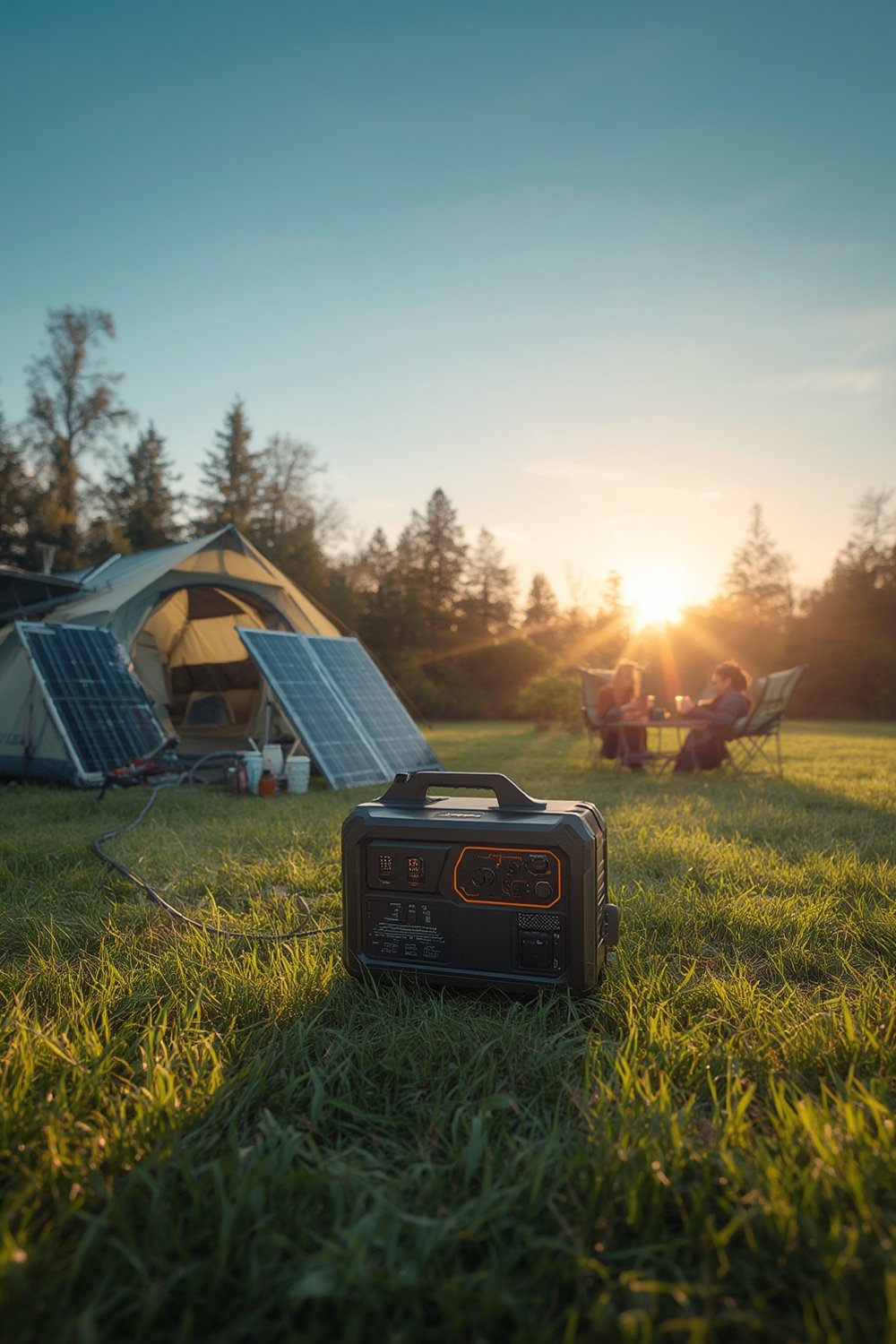
North America currently leads global adoption, holding 35% of the solar generator market. In regions like the US and Canada, homeowners use portable units for critical home backup during weather events, while Asia-Pacific countries favor them for off-grid security and reliability.
For a much deeper dive into how portable solar and home backup systems support smarter, more resilient homes, check out our Resilient Backup Power Solutions guide and Emergency Energy Preparedness strategies.
Step-by-Step: How to Choose & Use a Portable Solar Generator for Home Backup
Choosing the right portable solar generator is all about matching your real-world needs—wattage, runtime, and mobility—with what’s available on the market. Here’s a practical, no-nonsense approach:
-
Identify Your Must-Have Devices
List the essentials—phones, laptops, medical devices, fridge, lights. Add up their watt requirements so you know your minimum power needs. -
Check Battery Capacity & Output
Aim for storage that will cover at least 24 hours of critical use. Most people need 1000-2000Wh for basic backup. Confirm if the generator supports devices with higher startup surges (like fridges or sump pumps). -
Estimate Solar Recharge Times
A bigger battery is only useful if you can actually recharge it in a day’s sunlight. Match the generator’s solar input capability with the panels included (or that you can afford to add). -
Consider Portability & Weight
For home backup, weight may not matter, but if you plan to move the unit or use it for camping, choose a manageable size. -
Look for Real-World Reviews
Since pricing and technical details can be hard to find, dig into user reviews and independent testing for honest insights into performance and reliability. Our solar generator reviews cover top brands for every budget. -
Plan for Emergencies
If backup is your main goal, consider pairing your solar generator with plug-and-play transfer switches or battery-powered outlets. Learn more in our Home Backup Power Setup tutorial.
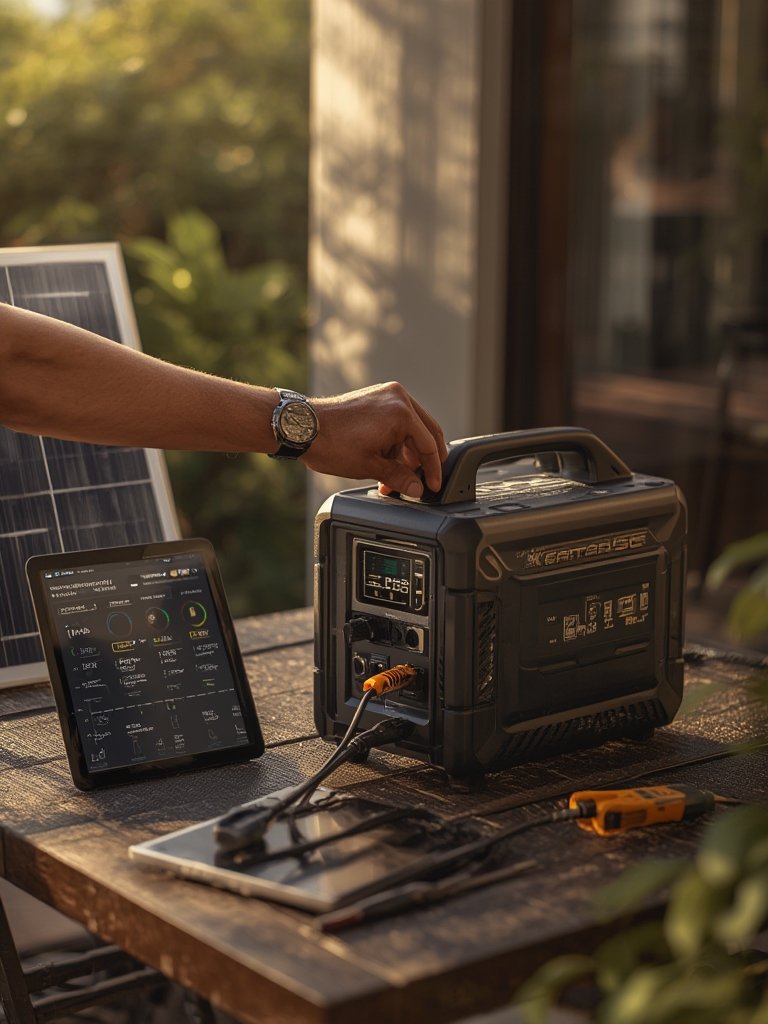
Emerging brands like Goal Zero now offer modular solar systems to cover larger backup needs, while products such as Solarcont’s foldable PV assemblies give maximum portability for extended outdoor use (source).
To discover advanced connection methods that optimize your generator’s versatility, see our tips in Hybrid Backup Power Integration.
Advanced Analysis & Common Pitfalls (What Market Data Tells Us)
Market reports reveal both the rapid growth and the most common user frustrations with portable solar generators for home backup. Many pitfalls are tied to capacity, charge speed, and transparency in specifications:
Common Pitfalls When Using Portable Solar Generators
- Undersized Capacity: Most popular models under 1500W can only support a handful of devices short-term. If you expect “whole home” backup, you may be disappointed (source).
- Slow Solar Recharging: A large battery is only as useful as its recharge rate. On cloudy days, some units may take two or more days to fully recharge from sunlight.
- Lack of Clear Pricing: It’s difficult to compare models or plan a budget without detailed pricing, especially for complete setups with extra panels or transfer switches (source).
- Limited Surge Power: Cheap models may struggle to start appliances with high surge demands (like refrigerators or sump pumps).
- Noisy Fans or Poor Build Quality: While solar generators are quieter than gas, some include annoyingly loud fans or use budget components to keep prices low.
Solar Generators vs. Gas Generators
| Feature | Portable Solar Generator | Gas Generator |
|---|---|---|
| Fuel Requirement | Sunlight only, no ongoing cost | Gasoline/Propane, recurring cost |
| Noise Level | Silent to very quiet | Loud (many models) |
| Power Output (Typical) | 300W-2000W continuous | 1000W-7500W+ continuous |
| Runtime on “Full Tank” | Hours to a day, depending on sunlight and load | Several hours (needs refueling) |
| Maintenance | Minimal | Regular oil and filter changes |
| Usable Indoors? | Yes (no fumes) | No (dangerous emissions) |
While gasoline generators still dominate for affordable, whole-home backup (source), solar units are fast catching up for users seeking clean power and portability. Just remember: solar systems are only as reliable as your energy management and expectations.
If you’re considering a hybrid setup or want to avoid the most frequent mistakes outright, our guide to Solar Plus Battery Power can help you plan a system that works for your unique situation.
Conclusion: Should You Get a Portable Solar Generator?
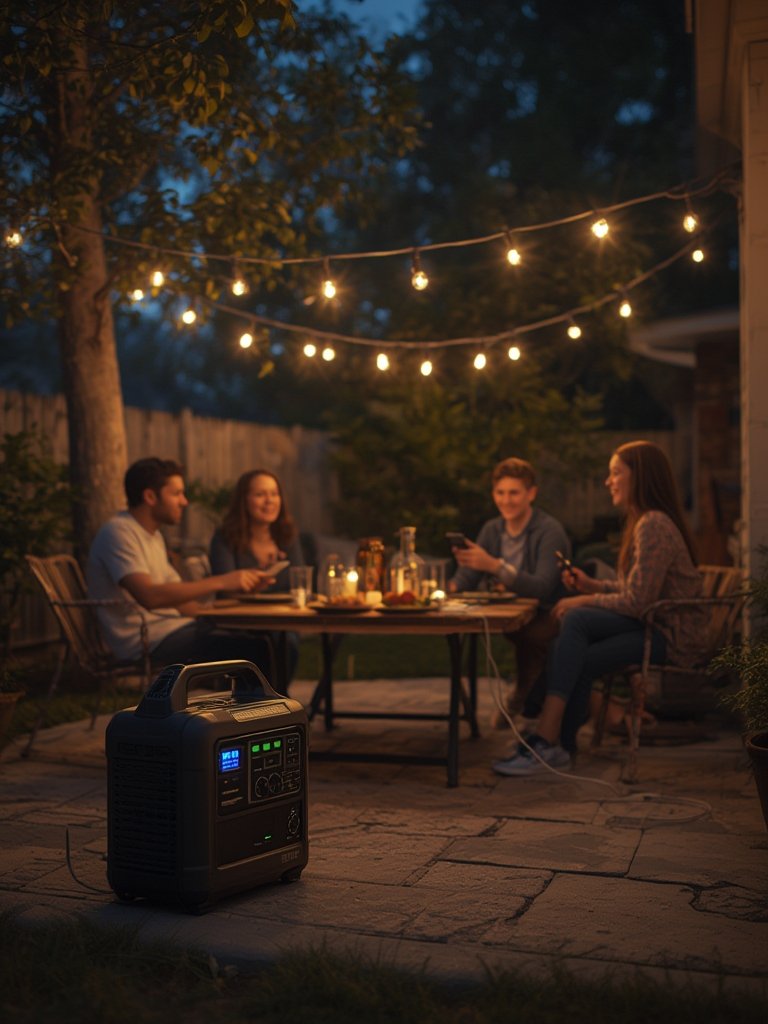
The recent surge in portable solar generator demand shows that more homeowners want control over their backup power, with less dependence on gas and noisy traditional solutions. If you’re realistic about your backup needs, invest in the proper capacity and manage expectations, a portable solar generator can deliver reliable, quiet power for outages, the outdoors, and emergencies.
Ready to get started or still have questions? Explore our in-depth best portable solar generator for home roundup or connect with our team for personalized advice. Don’t wait for the next outage—set yourself up with a smart, sustainable backup solution today.
FAQ: Portable Solar Generators for Home Backup
How long does a portable solar generator last during a power outage?
This depends on battery capacity and how many devices you run. A typical 1000Wh unit can run a fridge for 8-12 hours or lights and phones for several days. Using energy-efficient devices helps stretch runtime.
Can a portable solar generator power my whole house?
Portable units under 1500W are best for essential loads, not whole homes. You’ll need to prioritize vital devices or upgrade to a higher-capacity, possibly permanently installed system for full-home coverage.
Do portable solar generators work in cloudy weather?
They will still charge, but at slower rates. Recharge times can double or triple on cloudy days, so plan your usage and have extra panels if bad weather is common in your area.
What is the main maintenance required for a portable solar generator?
Mainly keep the solar panels clean and stored properly. Cycle the battery every few months. Unlike gas units, no oil or spark plugs are needed.
Are portable solar generators safe to use indoors?
Yes, unlike fuel generators, solar units produce no dangerous emissions and can safely run inside. Still, ensure good ventilation to avoid battery overheating in small spaces.
—